
Blog
Quick Answer
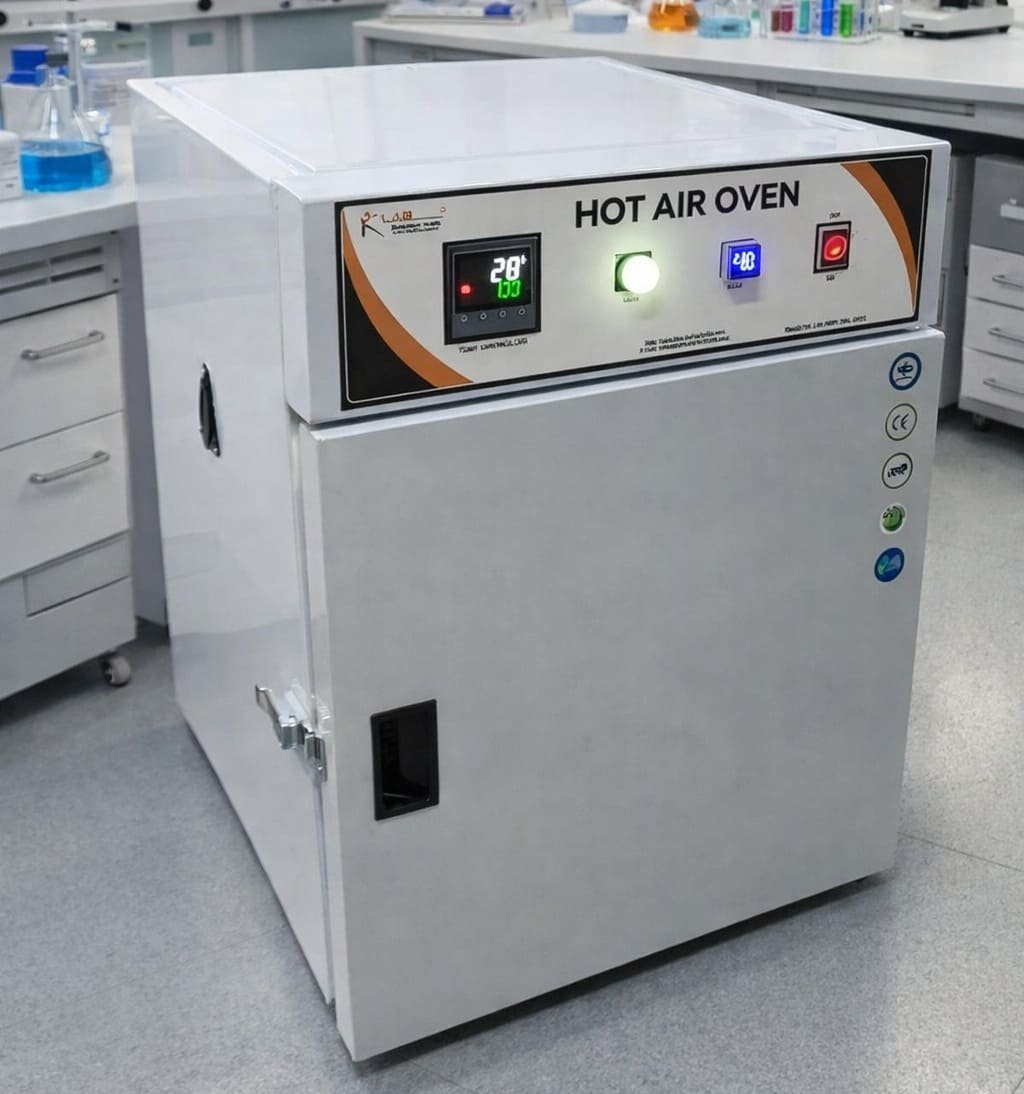
The right laboratory hot air oven depends on your application, chamber size requirement, temperature range, airflow performance, controller type, and construction quality. A good buying decision is based on use-case fit, not just price.
Hot air ovens are among the most commonly used laboratory heating instruments. They are widely used for drying, baking, sterilization, sample heating, glassware treatment, and general thermal processing in laboratories and industrial settings.
But buyers often ask:
“How do I choose the right hot air oven for my laboratory?”
The answer depends on the actual work you want to do. A small research lab, a college laboratory, and a production QC lab may all need a hot air oven — but their ideal specifications can differ significantly.
Why Proper Selection Matters
Consistent Results
A properly selected oven provides more stable temperature performance and repeatable results.
Long-Term Reliability
A well-built oven reduces frequent breakdowns, heater issues, and temperature inconsistency.
Better Value
Buying the right specification once is better than paying again for the wrong capacity or poor quality.
Key Factors to Check Before Buying
These are the most important points to evaluate before purchasing a laboratory hot air oven.
Chamber Size
Choose the internal size based on the quantity and size of samples, trays, or glassware you need to place inside.
Temperature Range
Different applications require different temperature ranges. Make sure the oven matches your actual process requirement.
Controller Type
Digital temperature controllers offer better precision and easier monitoring compared to basic manual controls.
Inner Material
Stainless steel inner chambers are generally preferred for durability, hygiene, and easier cleaning.
Air Circulation
Uniform hot air circulation improves heating consistency, which is important for reliable drying and sterilization work.
Insulation & Build
Good insulation and solid cabinet design improve energy efficiency and reduce unnecessary heat loss.
How to Choose the Right Capacity
| User Type | Suggested Size | Typical Use |
|---|---|---|
| Small Lab / College | Smaller chamber models | Basic sample drying and practical work |
| Research / QC Lab | Medium chamber models | Frequent use with multiple samples |
| Industrial / Production Use | Larger chamber models | Higher batch load and routine operation |
Capacity selection should be based on working volume, not just budget.
Common Buying Mistakes
- Choosing too small a chamber for future needs
- Buying based only on price, not application
- Ignoring airflow and temperature uniformity
- Not checking chamber material and insulation quality
- Choosing a model without clear after-sales support
Why Digital Laboratory Hot Air Ovens Are Preferred
Digital models are generally preferred because they provide easier control, better visibility, and more confidence during routine use.
Final Thought
The best laboratory hot air oven is the one that matches your actual work. Before buying, think about application type, sample volume, chamber size, and the reliability you expect over the long term. A good oven should support your work consistently — not create operational frustration later.
Frequently Asked Questions
What is a hot air oven used for in laboratories?
Hot air ovens are used for drying, sterilization, baking, glassware treatment, and controlled heating applications.
How do I choose the right hot air oven size?
Choose the size based on your tray load, sample volume, and future usage pattern rather than just current budget.
Why is digital control important in a laboratory hot air oven?
Digital control improves ease of monitoring, convenience, and operational confidence during routine lab use.
Need Help Choosing the Right Hot Air Oven?
Talk to us for guidance on chamber size, temperature range, and the right model for your laboratory or industrial requirement.